Ho Chi Minh City (commonly known as Saigon) is split up in to 19 urban ´quan´ districts and five suburban ones. Finding your way in and around the city on a motorbike can be a bit daunting due to a crazy one-way ring road thats just for the motorbikes. The lanes are often bumper to bumper or in this case wheel to wheel. Theres tons of accidents constantly and people just seam to deal with them and move on. Once your within your district or have mastered the system its much easier to get about. The main districts such as District 1 is where you will find most of the shops, restaurants, museums, the municipal theater, Notre dame Cathedral, hostels and nightlife.
The backpacker area in Saigon in district (quan) 1 amongst this cluster of bars, hostels, hotels, restaurants, clubs, shops and street food vendors. Once night falls, this area and especially Phạm Ngũ Lão Street is lit up and full of people walking up and down checking out the street life. The street is illuminated with the bar lighting and bars and restaurants are full of travelers. The street is so cramped pack with street vendors walking by trying to get you to buy food or small tourist trinkets, tables spill off the pavements and people sit facing the street to watch this nightly parade. Unlike the popular bar street in Hanoi, this street area has the added madness of traffic, so you will spend a lot of time dodging cars, motorbikes as well as people and their beers. Off this main street are lots of smaller alleys where you´ll fine hostels and tiny places to eat and are much quieter. I personally recommend eating off this main street as the places on it mostly catering to westerners. Co Giang street southeast from Pham Ngu Lao Street is one of the quieter streets you can also try doing a street eating tour.
Its all about the night life in Saigon and apart from the packed bars there is also a small underground house and techno scene. Popular venues like Broma, Last Call, Saigon Ranger, Nostalgia, and Cargo event space fill with expats, locals and backpackers. My favorite was the The Observatory it’s a bit further away from the madness of Phạm Ngũ Lão Street in District 4, In a strange kind of warehouse place which has a balcony with river views.
You may want to hit the night market to get some new sunglasses if you planning a late night out dancing. Ben Thanh Market was initially called Les Halles Centrales before being renamed Ben Thanh in 1912. It was built in the French Colonial style and is pretty enormous area full of hundreds of vendors selling almost everything. It makes a good one stop place to buy local handicrafts, Vietnamese art and other souvenirs. It´s also a good place to buy any motor bike supplies you may require, such as a plastic bag to protect you back pack from road dirt and rain. The market is equally as full of people during the day.
Large markets are not you’re thing then you can always check out the 3A Station which is a local trendy art and crafts retail venue. Full of young locals who have small lines of clothing, home made food stands and hand made artifacts. located In quad 1 3A Tôn Đức Thắng, P. Bến Nghé,
The Nguyen Hue walking street is pretty much car free and is a recent improvement to the city. It´s a large paved street in District 1. It´s a flashy commercial area with multistory buildings, luxuriant trade centers, and fancier crowded restaurants. Added in this area other similar streets such as Dong Khoi Street which became famous during French Colonialism was then known as Rue Catinat. Elegant hotels such as the Continental Hotel would be next to brothels, seedy bars and coffee houses. The area became the center area of The novel the Quite American by Graham Green and many of the hotels shelter for journalists during the Vietnam War. The brothels where all closed down during the Communist regime but many of the hotels buildings are used still as tourist accommodation. Other prominent French Colonial styled buildings to visit here include the Municipal Theater, Peoples Committee building which once was the Hotel de Ville, The Caravelle Hotel which became the central Headquarters for diplomates and journalists during the Vietnam War, Notre Dam Cathedral a late 19th century building covered with red ceramics brought during the French regime to cover the ouster walls.
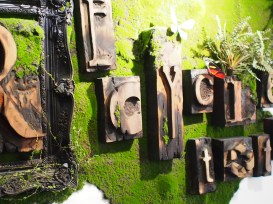
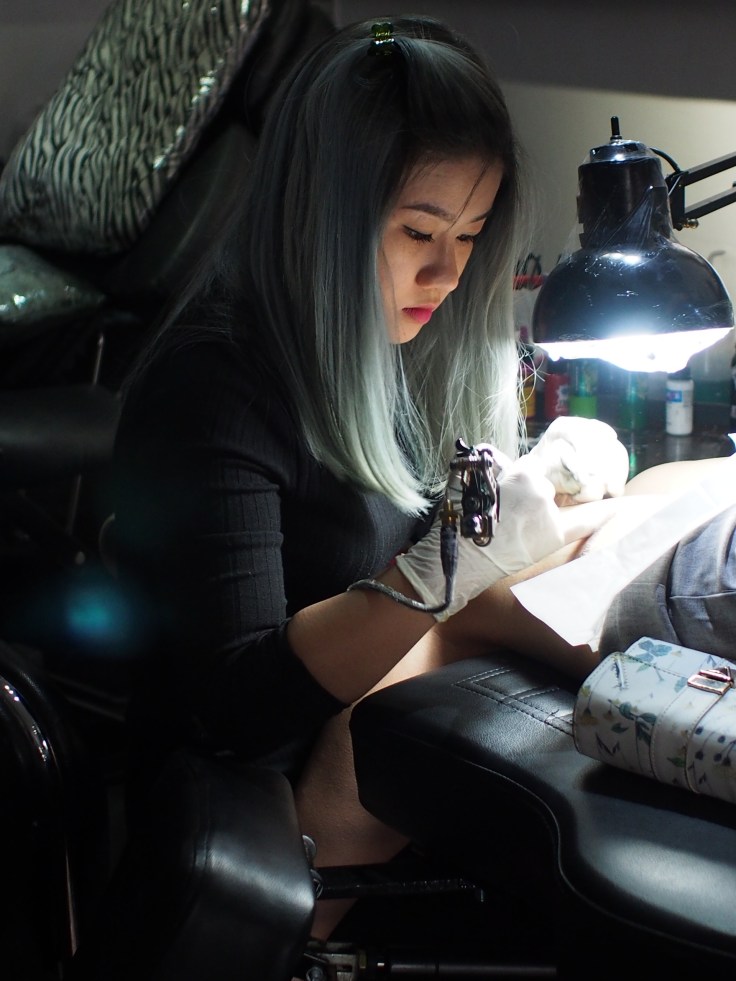
Amongst all the bars and hostels can be spotted tattoo shops which tourists flock go visit to get flash tattoos but if you value your health and prefer to get some decent art made by some very good artists then i´d venture out side of the backpacker hub. Recycled Tattoo shop is located on 176 Huynh Van Banh st, in Ward 12, of the Phu Nhuan District. You may want to call or do an initial visit to make an appointment given it’s a good shop.
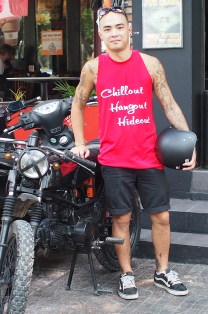
The cafe racer scene in Asia is big every place I went I found beautiful vintage bikes delicately restored and turned into cafe racers. In Saigon I met the with one of the Saigon Knights Motorcycle Club, Jimmy Lam who graciously showed me his bike. He is the general manager at a popular small hostel. The hostel is also a good place to venture too, in order to buy or to sell a bike. Or just walk about the coffee houses and you will spot the bikes.
Apart from the French Colonists buildings there are also unique examples of modernist Vietnamese architecture. The Reunification Palace or Independence Place is a symbol of Vietnams political history. Built on the site of the former Norodom Palace which was the residence of the French governor general during the French colonial rule. Its most historically moment was During the Vietnam War when a in 1975 a tank belonging to the North Vietnamese Army rammed though its main gate. Two of the original tanks used in the capture of the palace are parked in the grounds.
Culturally, Saigon has many pagodas, temples and museums to visit and you can spend a few days to visit them all or select just a few and feel you have seen plenty. Many forms of art dedicated to a variety of religion and influences of Chinese, Japanese and French architecture is blended into the Vietnamese City.
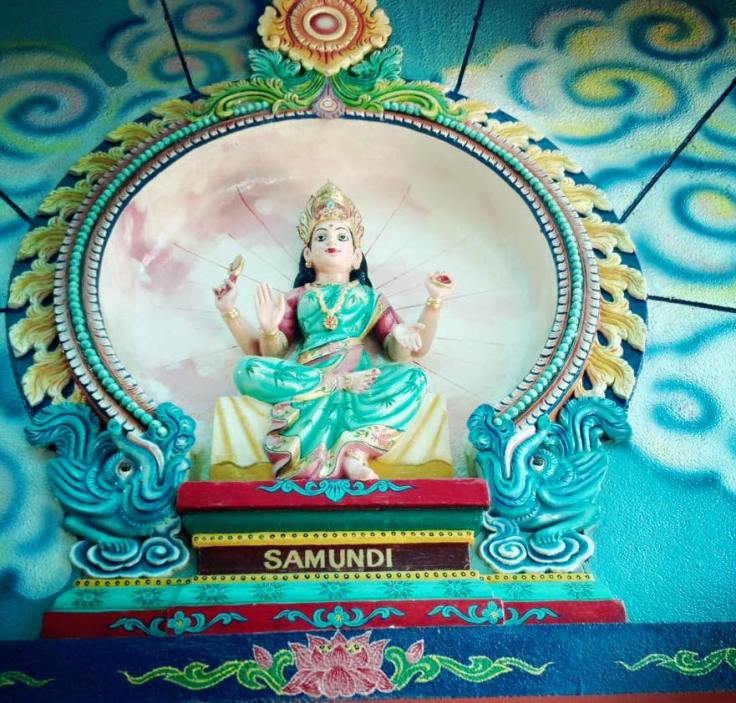
The Mariamman Hindu Temple is a brightly colored building, covered in colorful goddesses on it´s facade. Dedicated to Mariamman an incarnation of Shakti, the hindu goddesses of strength. Located in district 1 at 45 Truing Dinh Street in District 1, it was built in the 19th century its a an active place of worship for the Chattier community. In side are bright, soft pale pink painted walls that are adorned with alters for various gods and goddesses including Ganesha, the Hindu Elephant God. Its a tranquil quite place and respectfully your to remove your shoes and enjoy quietly walk amongst the people making daily prayers.
The Cantonese Chinese community in 1909 built the Jade Emperor Pagoda or locally known as Pagoda Ngoc Hoang and also as Tu Hai Phuoc Pagoda. It´s pink outer walls are topped by Jade colored ceramic tiles. Inside are many taoist and Buddhist divinities and deities. A Turtle sanitary is within the outer garden grounds and if filled with good luck turtles.
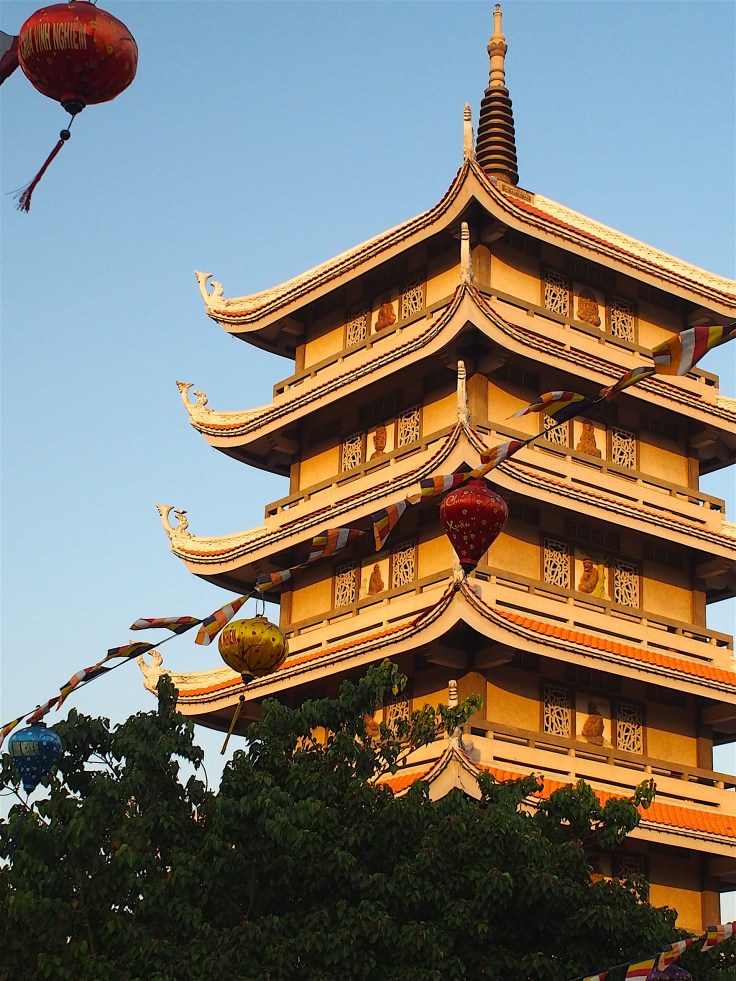
Another Pagoda to visit is the Vihn Nghiem Pagoda located in district 3 at 339 Nam Ky Khoi Nghia Street, completed in 1971 its the tallest pagoda in in the city with an eight story high tower. The structure is both a modern touch of Japanese architectural style and inspiration from traditional Vietnamese structure. Inside the main building is seated on a main alter a large Buddha guarded by his disciples. On the second floor is an art gallery where local artist exhibit their works.
More Contemporary Art can be found in the city at the Ho Chi Minh City Fine Arts Museum. The Fine Arts Museum is worth a visit for it´s beautiful French colonial architecture. Located near the Ben Thanh Market, at 97A Pho Duc Chinh Street, District 1, The museum houses an array of vietnamese and foreign artists works including; ceramics, sculptures, oil paintings: the first floor holds revolving exhibitions by contemporary artists while the second floor is mostly dedicated to politically influences works of art.
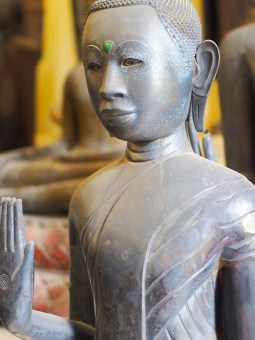
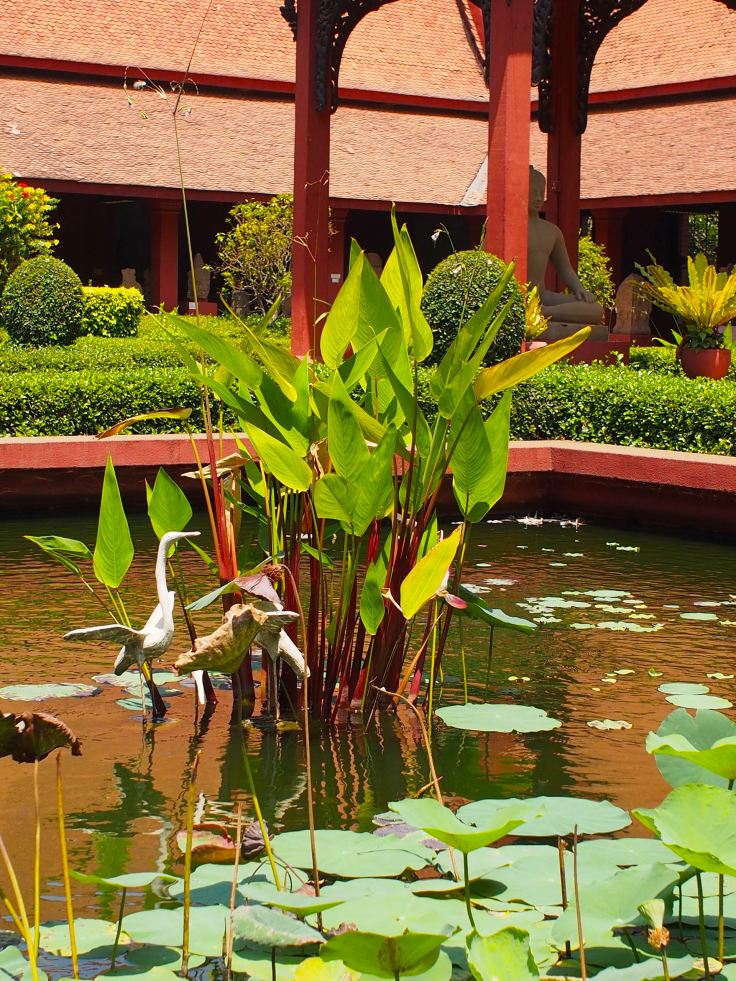
The Museum of Vietnamese History as originally established in 1929 under the name Blanchard de la Brosse Museum after the name of the then Governor of Cochinchina. Located on the edge of a large park in district 1 at 2 Nguyen Binh Khiem Street. It showcases Vietnam’s history with exhibits from all periods. There are many Stone and bronze sculptures and other artifacts of Champa she which have been rehoused here from the Champ sites in My son and other Chams dotted though out the coastal places they are situated in though. Its a lovely building and full of wonderful artifacts and with in its court yard a peaceful pond and central small.
Other places of interest to visit;
- Thiet Hau Pagoda
- Quan Am Pagoda
- Phung Son Pagoda
- Grace Vien Pagoda
- One Pilar Pagoda of Thu Duc
- Xa Loi Pagoda
- The General Post Office
- Rex Hotel
- Ho Chi Minh City Museum
- War Remnants Museum
- Woman´s Museum of Southern Vietnam
 motorgirltravels
Recent Comments